Is a Classic Car a Good Investment?
Do you dream of owning a classic car? Maybe you have already asked yourself questions like: Is a classic car a good investment? What are the best collector cars to buy now? Which classic Mercedes should I buy?
Buying a classic car is not only about transportation. It is about history, passion, craftsmanship and the feeling of driving something truly special. For many enthusiasts, a classic car is both a hobby and a potential investment.
Of course, no investment is guaranteed. The classic car market can change, and the value depends heavily on the model, condition, mileage, originality and demand. But if you choose carefully, a classic car can be a smart and enjoyable purchase.
Here are five good reasons to consider buying a classic car.
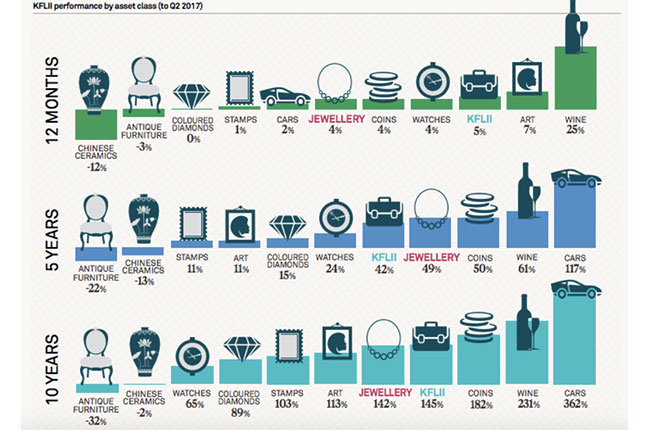
1. Classic Cars Can Increase in Value
One of the biggest reasons people invest in classic cars is the potential increase in value.
Interest in vintage and classic cars has grown over the years, and many well-kept models have become more desirable. This is especially true for iconic brands and models with strong heritage, limited production numbers or a loyal enthusiast community.
Mercedes-Benz is a good example. Many classic Mercedes models have proven to hold their value well, and some have increased significantly over time. Models such as the Mercedes-Benz W124, W201 and G-Class are often interesting for buyers who want a car with both character and long-term potential.
That said, you should never buy only because you expect the car to rise in value. The best classic car investment is usually one you also enjoy owning.
2. Lower Fixed Costs
Another advantage of owning a classic car is that the fixed expenses can often be lower compared to newer vehicles.
Classic car insurance is typically cheaper than standard car insurance, especially if the car is only used occasionally. Many insurance companies offer special vintage or classic car insurance, but you should always check the conditions carefully. There may be restrictions on mileage, storage, use and driver age.
In many countries, classic cars also benefit from lower road tax or reduced inspection requirements. For example, once a car reaches a certain age, it may no longer need to be inspected as often as a modern daily driver.
This makes ownership more manageable, especially if the car is used mainly for weekend drives, events and sunny days.
3. You Can Buy an Iconic Car for Less
Not every classic car has to cost a fortune.
If you are looking for a more affordable way into the classic car world, a youngtimer can be a smart place to start. A youngtimer is usually a car around 25–30 years old. It may not yet be fully recognised as a classic, but it has the potential to become more desirable over time.
This is where models like the Mercedes-Benz E-Class W124 or the Baby-Benz 190E/190D W201 become interesting. They are still relatively accessible compared to older or rarer classics, but they already have strong enthusiast appeal.
Buying before a model becomes highly popular can be a good strategy. But again, condition matters more than hype. A cheap car with rust, mechanical issues or poor maintenance history can quickly become expensive.
4. You Can Build Your Own Collection
For some people, one classic car is enough. For others, it becomes a passion.
Building a small collection of classic cars can be both enjoyable and meaningful. Unlike many other collectibles, classic cars are not just objects that sit on a shelf. They can be driven, maintained, restored and experienced.
Each car can represent a different period, design style or engineering philosophy. Some owners collect by brand, others by model type, decade or emotional connection.
A classic car collection does not need to be huge or extremely expensive. Even two or three carefully chosen cars can create a personal and valuable collection with plenty of character.
5. Every Classic Car Feels Unique
Modern cars are often efficient, comfortable and practical. But many of them feel very similar.
Classic cars offer something different. They have personality. The sound, the steering, the materials, the design and even the small imperfections all create a unique driving experience.
This is why you should choose a classic car based on genuine interest, not only market trends. If you buy a car you truly admire, you are much more likely to enjoy the ownership experience.
And if the car increases in value over time, that is simply a bonus.
What Should You Look for When Buying a Classic Car?
Before buying a classic car, you should pay attention to:
- Overall condition
- Rust and previous repairs
- Service history
- Originality
- Mileage
- Availability of spare parts
- Market demand
- Storage requirements
- Insurance conditions
A well-maintained car with good documentation is usually a better purchase than a cheaper car with unknown history.
Final Thoughts
A classic car can be a great investment, but it should first and foremost be something you enjoy.
The best classic car to buy is not always the most expensive or the most hyped model. It is the car that combines passion, quality, condition and long-term potential.
Whether you are looking for your first classic car, a youngtimer with future value or a special model for your collection, the most important advice is simple: buy with both your head and your heart.